Monaz: Evaluating a Modern Display Font for Branding and Design
In the crowded landscape of digital typography, selecting the right typeface is a critical decision that influences brand perception, readability, and visual hierarchy. Monaz has emerged as a notable option for designers seeking a bold and authentic display font. As a modern typographic solution, Monaz is designed to stand out in branding projects, logo design, template creation, and product packaging. This article provides an objective evaluation of Monaz, exploring its characteristics, ideal use cases, and considerations to help you determine if it aligns with your specific design goals.
Understanding the Monaz Typeface
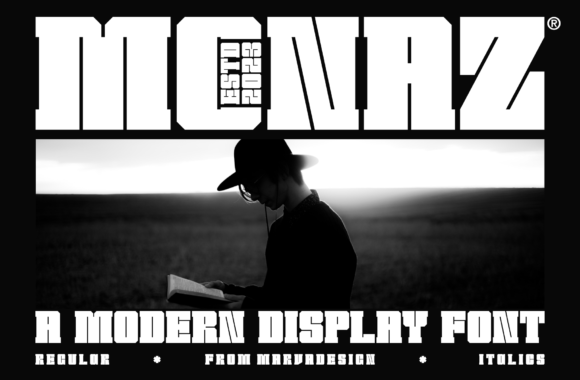
Monaz is categorized as a display font, a classification reserved for typefaces intended for use at larger sizes, such as headlines, titles, and short bursts of text. Unlike body text fonts, which prioritize legibility over long passages, display fonts like Monaz focus on personality, impact, and aesthetic distinctiveness. The font is described as "bold and authentic," suggesting a design philosophy that values strong visual presence without sacrificing clarity.
The term "modern" in its description implies clean lines, contemporary proportions, and a versatility that fits current design trends. For designers and brand managers, understanding the structural integrity of Monaz is the first step in evaluating its potential. It is not merely a decorative element but a functional tool for communication, engineered to perform well across a wide range of contexts.
Key Benefits and Design Strengths
When evaluating Monaz, several key strengths become apparent. These benefits address common challenges faced by graphic designers and marketing teams.
- Visual Impact: As a bold display font, Monaz commands attention. This makes it highly effective for environments where immediate recognition is crucial, such as storefront signage or digital banners.
- Versatility in Branding: The font’s authentic character allows it to adapt to various brand identities. Whether a company aims for a rugged, industrial look or a sleek, minimalist aesthetic, Monaz can be styled to fit.
- Clarity at Scale: Display fonts often suffer from poor legibility when scaled down. Monaz is designed to maintain its structural integrity, ensuring that logos and product labels remain readable even in smaller formats.
- Modern Aesthetic: Keeping up with design trends is essential for remaining relevant. Monaz’s modern styling ensures that materials created today will not appear dated in the near future.
Ideal Use Cases for Monaz
To maximize the value of Monaz, it is important to deploy it in scenarios where its strengths are most effective. Here are situations where this font may be a strong fit:
Logo Design and Brand Identity
A logo serves as the cornerstone of a brand’s visual identity. Monaz’s bold nature makes it suitable for logotypes that need to convey confidence and stability. Its authentic feel can help humanize a brand, making it appear more approachable yet professional.
Product Packaging
In retail environments, products compete for attention on crowded shelves. Monaz can be used effectively on packaging to highlight product names or key features. Its readability ensures that consumers can quickly identify what they are looking at, while its style adds a premium feel to the overall presentation.
Template Design and Marketing Materials
For designers creating templates for social media posts, posters, or brochures, Monaz offers a reliable headline option. It pairs well with neutral sans-serif body fonts, allowing the designer to create a clear visual hierarchy. The font’s ability to stand out in a wide range of contexts makes it a versatile asset in any design toolkit.
Tradeoffs and Considerations
While Monaz offers significant advantages, no typeface is universally perfect. Understanding its limitations is crucial for making an informed decision.
Legibility in Body Text: As a display font, Monaz is not optimized for long-form reading. Using it for paragraphs, articles, or extensive documentation may cause eye strain and reduce comprehension. It is best reserved for headings, subheadings, and short captions.
Contextual Fit: The "bold and authentic" character of Monaz may not suit every brand voice. For brands aiming for a delicate, traditional, or highly formal appearance, a serif font or a lighter weight typeface might be more appropriate. Designers should evaluate whether the font’s personality aligns with the brand’s core values.
Licensing and Usage Rights: Before integrating Monaz into commercial projects, it is essential to review the licensing terms. Ensure that the license covers all intended uses, including web embedding, print distribution, and app integration.
Comparing Monaz to Alternatives
When selecting a font, it is helpful to consider alternatives. If Monaz feels too bold for your project, you might explore lighter display fonts or geometric sans-serifs that offer a softer presence. Conversely, if you require a more traditional look, classic serif typefaces may provide the gravitas that Monaz’s modern style lacks.
However, Monaz distinguishes itself through its balance of modernity and authenticity. Many modern fonts can feel cold or impersonal, while authentic fonts may lack contemporary polish. Monaz attempts to bridge this gap, offering a solution that feels both current and genuine.
Practical Decision-Making Insights
To determine if Monaz is the right choice for your project, consider the following questions:
- What is the primary message? If the goal is to convey strength, reliability, and modernity, Monaz is a strong candidate.
- Where will the text appear? If the text will be viewed from a distance or at large sizes, Monaz’s display qualities will shine. For small-screen body text, look elsewhere.
- What is the brand personality? Does your brand value boldness and authenticity? If so, Monaz aligns well with these traits.
- How does it pair with existing assets? Test Monaz alongside your current color palette and imagery. Ensure it complements rather than clashes with other design elements.
Conclusion
Monaz represents a compelling option for designers and brands seeking a modern, bold, and authentic display font. Its suitability for logo design, template creation, and product packaging makes it a versatile tool in the design process. However, its effectiveness depends on proper application. By reserving Monaz for headlines and short text blocks, and pairing it with complementary body fonts, you can leverage its strengths while mitigating its limitations.
Ultimately, the decision to use Monaz should be guided by your specific design objectives and brand identity. Evaluate it against your project requirements, test it in real-world scenarios, and ensure it enhances the clarity and impact of your message. When used thoughtfully, Monaz can elevate your visual communications and help your brand stand out in a competitive marketplace.