Pixelove: Merging Retro Nostalgia with Heartfelt Typography Design
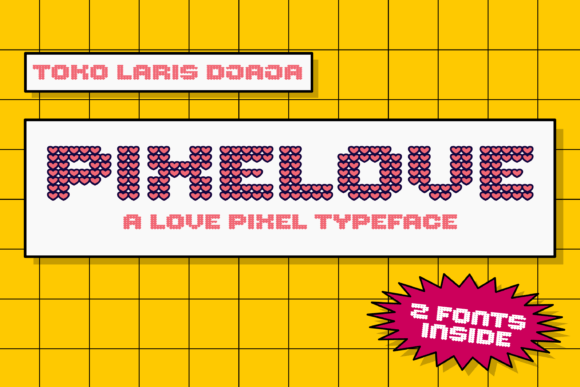
In the expansive world of digital typography, few typefaces manage to bridge the gap between technical precision and emotional resonance as effectively as Pixelove. This unique display font is not merely a collection of characters; it is a visual statement that draws heavily from the pixelated aesthetics of early computing while infusing each glyph with the organic warmth of heart shapes. By combining the rigid structure of retro gaming visuals with the softness of romantic symbolism, Pixelove creates a distinct niche in modern design. It serves as a powerful tool for creators who wish to evoke feelings of nostalgia, playfulness, and affection simultaneously.
The concept behind Pixelove is rooted in the idea that technology and emotion are not mutually exclusive. As we look back at the 8-bit and 16-bit eras of video games and computer interfaces, there is a collective memory of simplicity and charm. Pixelove taps into this cultural vein, reconstructing familiar pixel forms into recognizable heart motifs. The result is a typeface that feels both vintage and contemporary, offering designers a versatile asset for projects that require a touch of whimsy without sacrificing legibility or style.
The Dual Nature of Pixelove Styles
One of the most compelling features of Pixelove is its availability in two distinct styles: outline and fill. This duality allows for greater flexibility in application, ensuring that the font can adapt to various background colors, textures, and design complexities. Understanding how to leverage these two styles is crucial for maximizing the impact of your typographic choices.
The Fill Style
The fill style of Pixelove presents solid, bold characters formed entirely by pixelated heart shapes. This version is ideal for headlines, logos, and short bursts of text where immediate visual impact is required. The solidity of the fill style gives weight to the message, making it stand out against busy backgrounds or minimalist layouts alike. It conveys a sense of completeness and confidence, perfect for branding materials that need to assert a playful yet strong identity. When used in large sizes, the individual heart pixels become apparent, creating a textured mosaic effect that invites closer inspection.
The Outline Style
Conversely, the outline style offers a lighter, more delicate interpretation of the same concept. By stripping away the solid fill and retaining only the perimeter defined by heart-shaped pixels, this style introduces an element of airiness and sophistication. It is particularly effective in designs that require a subtle touch or when layered over complex imagery where a solid block of text might feel too heavy. The outline style maintains the retro aesthetic but does so with a refined elegance, making it suitable for high-end packaging, wedding invitations, or artistic posters where negative space plays a critical role in the composition.
Practical Applications Across Industries
The versatility of Pixelove extends far beyond simple decorative use. Its unique aesthetic makes it a valuable resource across a wide spectrum of industries and creative disciplines. From commercial branding to personal crafts, the font’s ability to convey love and nostalgia opens up numerous possibilities for innovative design solutions.
- Product Packaging and Labels: In the competitive retail landscape, standing out on the shelf is paramount. Pixelove can transform ordinary product labels into eye-catching artifacts. For artisanal foods, handmade cosmetics, or boutique clothing, the font adds a layer of craftsmanship and care. The heart motif subtly communicates that the product was made with love, enhancing the perceived value and emotional connection with the consumer.
- Merchandise and Apparel: The rise of print-on-demand services has empowered creators to produce unique merchandise. Pixelove is exceptionally well-suited for t-shirts, hoodies, tote bags, and stickers. Its retro vibe appeals to millennials and Gen Z consumers who have a fondness for vintage gaming culture, while the heart element ensures the designs remain approachable and friendly. Whether used for a single word like "Love" or integrated into a larger graphic, the font creates wearable art that sparks conversation.
- Game User Interfaces: Given its origins in pixel art, Pixelove is a natural fit for game UI design. Indie developers creating platformers, puzzle games, or narrative-driven adventures can use this font to maintain thematic consistency. It works beautifully for menu screens, dialogue boxes, and score displays, reinforcing the retro atmosphere while adding a unique stylistic flair that distinguishes the game from others in the genre.
- Book Covers and Editorial Design: Authors and publishers looking to capture attention in the digital marketplace can utilize Pixelove for book covers, particularly in genres such as romance, young adult fiction, or nostalgic memoirs. The font’s distinctive look promises a story that is both heartfelt and engaging. Similarly, in editorial design, it can be used for pull quotes or chapter headings to break up text and add visual interest.
Enhancing Brand Identity with Emotional Typography
Branding is no longer just about logos and color palettes; it is about storytelling and emotional engagement. Pixelove offers brands a way to humanize their identity through typography. By incorporating a font that literally builds letters from hearts, companies can signal values of care, community, and passion. This is particularly effective for businesses in the wellness, education, and creative sectors, where trust and empathy are key components of customer relationships.
For example, a bakery specializing in custom cakes could use Pixelove in its marketing materials to emphasize the homemade, loving nature of its products. A tech startup focused on connecting people might use the outline style in its app interface to soften the digital experience and make it feel more personal. The key is consistency; once Pixelove is adopted as part of the brand’s visual language, it should be used strategically to reinforce the core message of love and nostalgia.
Design Considerations and Best Practices
While Pixelove is a powerful design tool, it requires thoughtful application to achieve the best results. As a display font, it is not intended for long bodies of text. Its intricate structure, composed of small heart shapes, can become difficult to read at smaller sizes or in dense paragraphs. Therefore, it is best reserved for headings, titles, logos, and short phrases where its artistic qualities can shine without compromising readability.
Pairing Pixelove with complementary typefaces is another critical consideration. To balance the playful and retro nature of Pixelove, consider pairing it with clean, sans-serif fonts for body text. This contrast ensures that the overall design remains professional and easy to navigate. Avoid pairing it with other highly decorative or pixel-based fonts, as this can create visual clutter and diminish the impact of each element.
Color selection also plays a significant role in how Pixelove is perceived. While traditional red and pink hues naturally align with the heart theme, experimenting with pastel tones, neon colors, or monochrome schemes can yield surprising and modern results. The outline style, in particular, benefits from creative color usage, allowing designers to play with transparency and layering effects.
The Enduring Appeal of Retro Aesthetics
The popularity of Pixelove is part of a broader trend towards retro aesthetics in contemporary design. In an increasingly digital and fast-paced world, there is a growing desire for connections to the past, particularly to eras perceived as simpler and more authentic. Pixel art, with its roots in the early days of computing and gaming, represents a time of innovation and discovery. By integrating heart shapes into this framework, Pixelove adds a layer of emotional depth that resonates with audiences seeking warmth and familiarity.
This nostalgic appeal is not limited to those who grew up with 8-bit games. Younger generations are discovering and appreciating retro styles through media, fashion, and design trends. Pixelove bridges this generational gap, offering a visual language that is both historically informed and currently relevant. It allows designers to tap into a shared cultural memory while creating something fresh and unique.
Ultimately, Pixelove is more than just a font; it is a design philosophy that celebrates the intersection of technology and emotion. Whether you are a professional designer working on a major branding campaign, a hobbyist creating personalized gifts, or an educator developing engaging materials, Pixelove provides the tools to express love and nostalgia in a visually striking way. By understanding its characteristics, exploring its diverse applications, and applying best practices in design, you can harness the full potential of this remarkable typeface to create meaningful and memorable visual experiences.