Radia: Bridging Heritage and Modern Design Through Authentic Arabic Typography
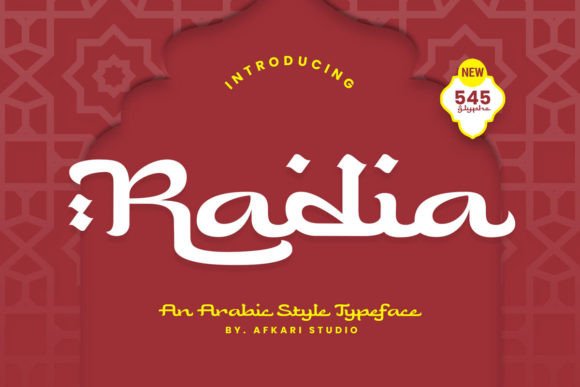
In the rapidly evolving landscape of digital design, typography serves as more than just a vessel for information; it is the visual voice of a brand. For designers, marketers, and entrepreneurs targeting audiences in the Middle East and North Africa (MENA) region, or those seeking to infuse their projects with Islamic aesthetic principles, the choice of typeface is critical. Enter Radia, a captivating Arabic-style typeface that embodies the essence of Ramadan and Islamic design. This font is not merely a collection of glyphs; it is a meticulously crafted tool designed to immerse projects in the rich cultural heritage of Arabic calligraphy.
The Evolution of Cultural Authenticity in Digital Media
For decades, global brands often relied on generic, Western-centric fonts when communicating with Arabic-speaking audiences. This approach frequently resulted in a disconnect, where the visual language failed to resonate with the cultural nuances of the target demographic. However, consumer expectations have shifted dramatically. Today’s audiences are digitally literate and culturally aware. They demand authenticity. They can distinguish between a lazy translation and a thoughtful localization that respects linguistic and artistic traditions.
This shift has created a surge in demand for high-quality, culturally relevant design assets. Radia emerges at the intersection of this trend. It addresses the growing need for typography that does not just translate words but translates feelings, traditions, and values. By embodying the essence of Ramadan—a time of reflection, community, and spiritual depth—Radia allows creators to tap into a profound emotional resonance that standard sans-serif fonts simply cannot achieve.
Why Radia Stands Out in a Crowded Market
The market for Arabic fonts is expanding, yet many options remain either too traditional for modern web interfaces or too stylized to be legible in body text. Radia strikes a delicate balance. It is meticulously crafted to infuse every text with an authentic Arabic feel, making it an ideal choice for graphic design projects centered around Islamic or Arabic themes. Its design philosophy respects the fluidity and geometric precision inherent in classical Arabic calligraphy while adapting these elements for contemporary digital screens and print media.
Consider the workflow of a freelance graphic designer working on a campaign for a halal food brand during the holy month. Using a standard font might convey the message, but using Radia conveys the atmosphere. The curves and strokes of the typeface echo the architectural motifs found in historic mosques and the intricate patterns of Islamic art. This subtle visual cue builds trust and familiarity with the audience, enhancing brand perception without explicit explanation.
Integrating Radia into Modern Creative Workflows
Adopting a specialized typeface like Radia requires understanding its versatility. It is not limited to religious contexts. While it embodies the spirit of Ramadan, its aesthetic principles apply to any project requiring elegance, heritage, or a touch of exotic sophistication. Here is how professionals across various industries are leveraging this typeface:
- Branding and Identity: Luxury hotels and resorts in Dubai, Istanbul, and Cairo are using Radia-inspired aesthetics in their logos and packaging to highlight local heritage.
- Digital Marketing: Social media campaigns benefit from the high readability and visual impact of Radia, ensuring that headlines stand out in crowded feeds.
- Editorial Design: Magazines and online publications focusing on culture, travel, and history use Radia to create section headers that evoke a sense of timelessness.
The integration of such fonts into design software has become seamless, allowing creators to maintain their existing workflows while upgrading their typographic palette. This ease of use is crucial for agencies operating under tight deadlines, where the ability to quickly switch between languages and styles without compromising quality is essential.
The Business Case for Culturally Resonant Design
From a business perspective, the investment in high-quality, culturally specific typography yields tangible returns. Studies in consumer behavior suggest that customers are more likely to engage with brands that reflect their own cultural identity. When a brand uses Radia in its communications, it signals respect and understanding. This is particularly important for global companies expanding into the MENA region, where local competition is fierce and consumer loyalty is driven by emotional connection.
Moreover, the rise of e-commerce in the Islamic world has necessitated better user experience (UX) design. Text-heavy product descriptions, checkout processes, and customer support interfaces require fonts that are both beautiful and functional. Radia’s clarity ensures that users can navigate digital platforms comfortably, reducing friction and potentially increasing conversion rates. It demonstrates that aesthetic appeal and usability are not mutually exclusive; rather, they are complementary forces in effective design.
Broader Trends: The Globalization of Local Aesthetics
The popularity of Radia reflects a broader trend in the creative industry: the globalization of local aesthetics. We are moving away from a homogenized global design language toward a more pluralistic approach where regional styles are celebrated and integrated into mainstream media. This is evident in fashion, architecture, and now, typography.
Designers in New York, London, and Tokyo are increasingly incorporating Arabic calligraphic elements into their work, not as exotic ornaments, but as integral design components. Radia facilitates this cross-cultural exchange by providing a accessible, high-quality resource that honors the source material. It allows non-Arabic speakers to appreciate the beauty of the script while enabling Arabic speakers to see their heritage represented with dignity and modernity.
- Authenticity over Appropriation: Using well-crafted fonts like Radia helps avoid cultural appropriation by ensuring the script is used correctly and respectfully.
- Visual Storytelling: The font adds a layer of narrative to designs, telling a story of heritage and tradition before the user even reads the content.
- Market Differentiation: In a saturated market, unique typography helps brands stand out and be remembered.
Practical Applications for Entrepreneurs and Freelancers
For entrepreneurs and freelancers, staying ahead of design trends is a competitive advantage. Offering services that include culturally sensitive typography can open up new client bases. Imagine a web developer pitching a site redesign to a local community center or a restaurant owner. Presenting mockups that utilize Radia demonstrates a level of care and attention to detail that generic templates lack.
Furthermore, the font’s adaptability makes it suitable for various media formats. Whether it is a large-format billboard, a small mobile screen, or a printed invitation, Radia maintains its integrity. This scalability is vital in an omnichannel marketing environment where consistency across platforms is key to brand recognition.
Looking Forward: The Future of Typographic Diversity
As technology advances, the possibilities for typography expand. Variable fonts, animated text, and interactive web elements are becoming more common. Radia is positioned to thrive in this future because its foundational design is robust. It is not a fleeting trend but a classic interpretation of Arabic style that can evolve with technological capabilities.
We are likely to see more collaboration between type foundries and cultural institutions to preserve and modernize traditional scripts. Radia is part of this movement, serving as a bridge between the past and the future. It encourages designers to explore the depths of Islamic art and bring those insights into contemporary projects.
In conclusion, Radia is more than just a font; it is a statement of intent. It declares that design should be inclusive, respectful, and beautiful. For professionals looking to elevate their work and connect with audiences on a deeper level, introducing Radia into their toolkit is a strategic move. It offers the perfect blend of tradition and innovation, allowing creators to produce work that is not only visually stunning but also culturally significant. As the demand for authentic, localized content continues to grow, typefaces like Radia will play an increasingly vital role in shaping the visual landscape of the digital age.